
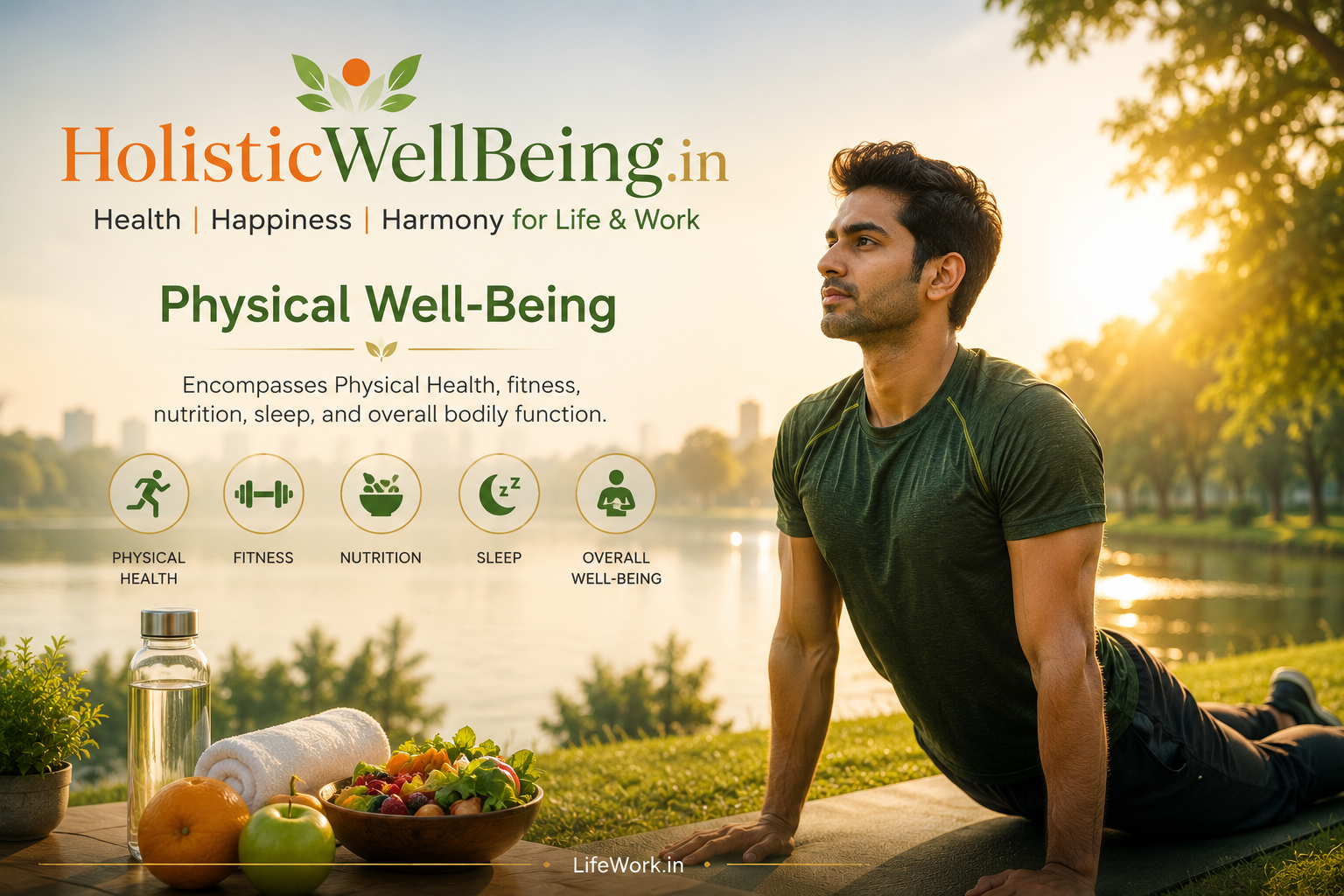
First Pillar of Physical Well-being
Physical well-being is the foundation upon which other aspects of well-being are built. It encompasses the health of your body and its ability to function optimally. It’s not just about the absence of disease, but also about having the energy and vitality to engage in daily activities and enjoy life to the fullest.
Key Components:
- Nutrition: A balanced diet rich in fruits, vegetables, whole grains, lean proteins, and healthy fats provides the necessary nutrients for energy, growth, repair, and disease prevention. Pay attention to portion sizes, hydration, and mindful eating. Limit processed foods, sugary drinks, and excessive amounts of unhealthy fats.
- Exercise: Regular physical activity is crucial for maintaining a healthy weight, strengthening muscles and bones, improving cardiovascular health, boosting mood, and reducing the risk of chronic diseases. Aim for at least 150 minutes of moderate-intensity aerobic exercise or 75 minutes of vigorous-intensity aerobic exercise per week, along with strength training exercises that work all major muscle groups at least twice a week. Find activities you enjoy, such as walking, running, swimming, dancing, or playing sports, to make exercise a sustainable part of your routine.
- Sleep: Adequate sleep is essential for physical and mental restoration. Aim for 7-9 hours of quality sleep per night. Establish a regular sleep schedule, create a relaxing bedtime routine, and optimize your sleep environment by making it dark, quiet, and cool.
- Rest and Recovery: Allow your body time to recover after physical exertion. Incorporate rest days into your exercise routine and prioritize activities that promote relaxation, such as stretching, yoga, or meditation.
- Hydration: Water is vital for numerous bodily functions, including regulating body temperature, transporting nutrients, and removing waste products. Drink plenty of water throughout the day, especially before, during, and after exercise.
- Regular Medical Checkups: Preventive care, including regular checkups, screenings, and vaccinations, can help detect and address health issues early on. Consult with your healthcare provider to determine the appropriate schedule for your individual needs.
- Avoidance of Harmful Substances: Limit or avoid the use of tobacco, excessive alcohol consumption, and illicit drugs, as these substances can have detrimental effects on your physical health.